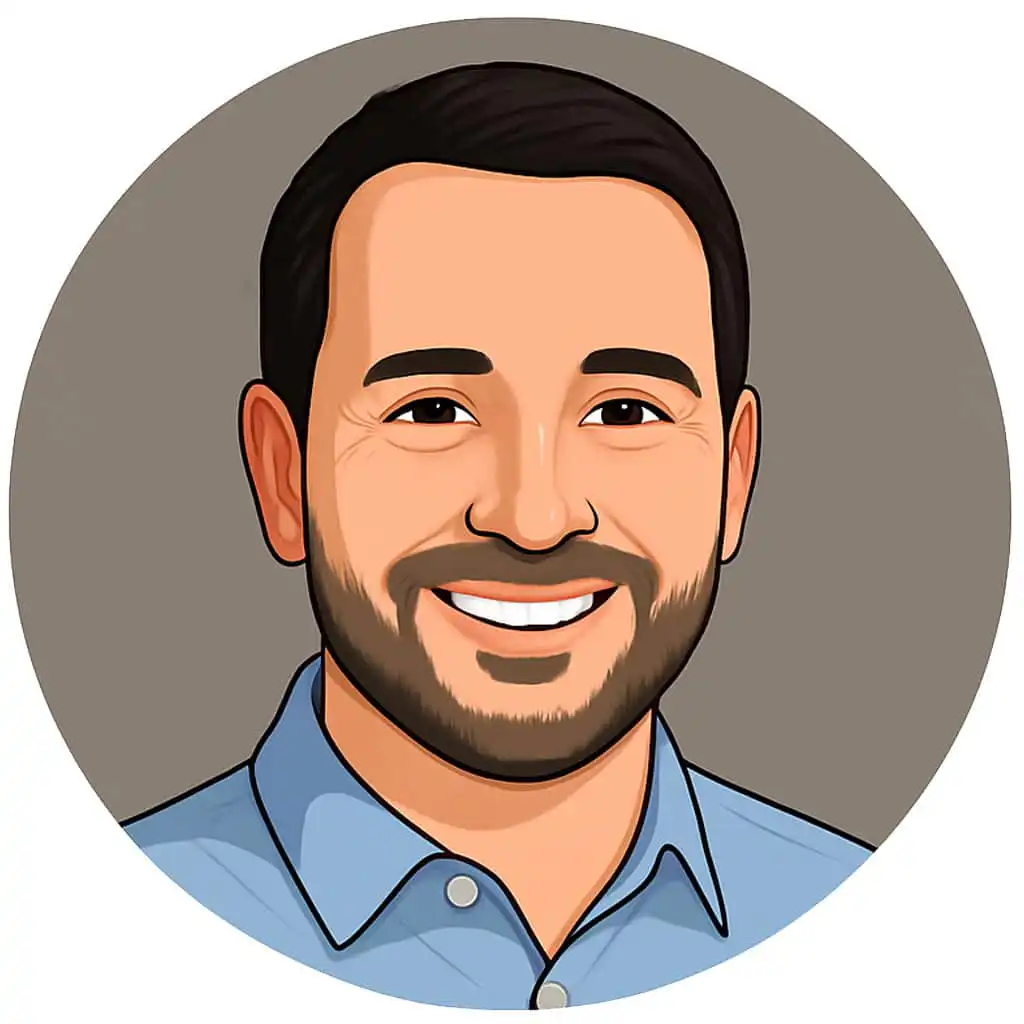
How to Make an AI Birthday Video with Your Own Photo

To make an AI birthday video with your own photo, start with a portrait of you delivering the greeting, write a short personal message and combine the photo with narration. The result is a speaking portrait, not a slideshow of the birthday person’s photos.
You can use the DIY AI Studio avatar generator for this photo-and-narration workflow. Its current limit is 30 seconds. Use that time for the recipient’s name, one shared memory, and a thoughtful wish, rather than a long introduction.
Choose a photo of the person delivering the greeting
The person in the picture becomes the speaker. For a greeting from you to your friend Alex, upload your own portrait, not Alex’s. Using the recipient’s photograph would make the message appear to come from them instead.
Choose a recent, front-facing head-and-shoulders photograph with a clearly visible face. Keep the mouth, eyes, and jawline unobstructed. Prefer a simple background and even lighting over a dramatic pose, sunglasses or a hand covering your chin.
This is consistent with HeyGen’s photo avatar guidance, which emphasises readable facial features and recommends clear, front-facing images. That is useful source-photo advice, not evidence that different avatar tools produce identical results.
Use a photograph you have permission to upload and animate. For someone else’s likeness or voice, get their agreement to the specific message and how you’ll share it. Keep the first attempt to one person rather than a group photograph.
Birthday decorations are optional. A recognisable face and a meaningful message matter more than adding a cake or party hat to the source image.
Write a personal message that fits within 30 seconds
A useful structure is name, shared memory, personal wish, sign-off. For example, replace “Wishing you happiness and success” with a reference to their upcoming walking holiday, the garden they are planning or a favourite joke you both understand.
Start with roughly 40 to 55 words, then check the actual narration length. This is a drafting target, not a guaranteed duration. As a planning guide, 50 words at 120 words per minute takes 25 seconds, plus pauses. A slower voice or a long name can leave less room than the word count suggests.
Read the message aloud before generating speech. Remove anything that sounds like a formal announcement. “Hope you get a day off from organising everyone else” may suit a close relative better than “On this special occasion, I would like to extend my warmest wishes.”
If the message runs long, cut a sentence before speeding up. Keep the name and the specific memory; remove the repeated birthday wishes. Aim to finish comfortably inside the limit rather than squeezing the final word into the last moment.
Three birthday greeting scripts you can personalise
Replace every bracketed field with words you genuinely want spoken. Do not paste the template labels or instructions into the narration. The completed version, not the template, is the one to time.
For a friend
Happy birthday, [name]! I still laugh about [shared memory]. Thank you for being the person who turns an ordinary day into a good story. I hope this year brings you [personal wish]. Have a brilliant day, and let’s plan [next catch-up] soon.
Choose a memory the friend will recognise without a lengthy explanation. Keep a private joke out of a public post unless they would be comfortable with other people hearing it.
For a family member
Happy birthday, [name]. One of my favourite memories with you is [shared memory]. Thank you for [something specific they do]. I hope today gives you plenty of [something they enjoy], and that the year ahead brings [personal wish]. Sending lots of love.
Use the name or family nickname you normally say. A small, specific thank-you is more useful than trying to summarise your entire relationship in half a minute.
For a colleague
Happy birthday, [name]! I still smile when I think about [shared memory from work]. Thank you for [specific contribution or kindness]. Wishing you a great day, a well-earned break and plenty of time for [interest outside work]. Enjoy your celebration!
A team quiz or a kind welcome is a safer subject than confidential client work. Speak for yourself unless you have agreed to deliver the greeting on the team’s behalf, and avoid jokes about age or performance.
Worked example: a birthday greeting for a fictional friend
Here is a completed version of the friend template. Alex is a fictional recipient, and the camping story is invented for this public example. To reproduce it, use an authorised portrait of the person delivering the greeting.
Happy birthday, Alex! I still laugh about our rainy camping trip, especially when the tent nearly blew away. Thanks for making even the soggiest weekend brilliant. I hope this year brings you good company, new adventures and a much better weather forecast. Have a wonderful day!
The script contains 46 words. At an assumed 120 words per minute, that is 23 seconds before additional pauses. This is a timing estimate, not a measured audio or video duration.
The memory earns its place twice: the tent gives the greeting a specific story, and the weather forecast turns the closing wish into a callback. The message does not need another paragraph listing everything the sender likes about Alex.
For your version, change the memory and the name as well. Replacing only “Alex” would leave you with someone else’s fictional greeting. Listen to the finished narration and shorten it again if the pauses push it beyond the limit.
Make your personalised birthday avatar
Prepare your portrait and personalised script, then approve the narration before creating the video.
Create the speaking portrait and review it before sending
Prepare the narration and check the recipient’s name
Studio accepts saved narration, uploaded audio or new speech from a script. Its voice generator offers ready-to-use and saved voices, with the credit cost shown before generating speech. A photo provides the likeness, not a voice recording.
For a recognisable personal greeting, consider recording the message yourself and uploading that narration. You do not need to clone your voice just to use an existing recording. For uploaded narration, Studio currently accepts MP3 or PCM WAV files, with a duration of 1 to 30 seconds and a maximum file size of 2 MB.
Listen closely to the name in its full sentence: “Happy birthday, Alex!” Check nicknames, place names and any age you mention too. Do not assume a voice with a suitable accent will pronounce every name correctly.
When a word is wrong, test a clearer spoken spelling in the narration copy, then check the complete sentence again. Keep the recipient’s normal spelling in any accompanying written message. Our guide to fixing names and other AI voice pronunciation problems covers the repair process.
For a name that remains unreliable, record the greeting yourself rather than repeatedly paying to test near-misses. Approve the words, pronunciation and duration before spending credits on facial animation.
Add the portrait and review the cost
Pair the approved narration with your portrait, choose the framing and review the video quote before generating. New speech and avatar video have separate charges. Reusing existing narration avoids another speech-generation charge.
Studio adds padding when you change framing; it doesn’t invent a wider scene around the portrait. Check the composition before proceeding, especially when the photo is tightly cropped.
Budget for a correction rather than assuming the first version is the one you’ll send. Keep the accepted audio unchanged when testing a different portrait, so you can judge the visual change without introducing a different reading at the same time.
See more of our reporting in Google Top Stories, AI Overviews and AI Mode.
Review the whole greeting, not just the opening frame
Once the video is available, watch it at normal speed with sound. Then inspect any suspicious moment more closely. A sharp opening still is not enough to approve a talking portrait.
| Check | What to look or listen for | What to change before sending |
|---|---|---|
| Name and message | The recipient’s name is correct, and you’ve replaced every placeholder. | Correct the narration first; do not try to hide a spoken mistake with captions. |
| Speech timing | The mouth appears to follow the words, including the opening greeting. | Check that the intended audio was used. Reject conspicuously mismatched movement. |
| Likeness | The face remains recognisable while speaking, especially around the mouth, eyes and jaw. | Try a clearer source portrait or use a conventional recording. |
| Tone | The delivery suits this person and occasion rather than sounding like an advert. | Simplify formal wording or use your own recorded delivery. |
| Ending | The last word is complete, with no abrupt cutoff or distracting final expression. | Shorten the message or adjust the narration before another render. |
These are acceptance checks, not a claim that this example has passed them. Keep a version only when you would be happy for the recipient to watch the whole clip, not just its best few seconds.
Download and check the copy you will share
Completed avatar videos appear in Studio’s Assets and the selected project, where you can play and download them. Keep a local copy of the version you approve.
Open that downloaded file on the device you plan to use for sharing. After sending, check the delivered copy where practical: confirm that the sound plays, the framing is intact, and the greeting reaches its final word.
Make the synthetic element clear in the accompanying message, for example: “I made you a little AI birthday greeting using my photo.” That keeps the surprise playful without presenting generated facial movement as a real camera recording.
When a conventional recording or photo montage is a better fit
Choose a normal video recording when your actual delivery is the point. A spontaneous laugh, a family catchphrase or a deliberately silly performance may matter more to the recipient than a polished talking portrait. Recording yourself saying the same short script is a useful alternative, not a lesser version.
Choose a montage when the story needs several photographs. A milestone birthday covering school days, holidays and family celebrations is a different project. Arrange those images and any music in a separate editor; this tutorial does not assume the avatar workflow assembles them automatically or makes several people speak together.
For a nostalgic clip built around a historical photograph, use our guide to animating old photos with AI. That addresses a different question from making a newly scripted greeting with the sender’s portrait.
For this birthday video, keep the brief small: one authorised speaker, one recognisable memory and one warm wish. A message that sounds like something you would actually say is the part worth getting right.
You Might Also Like:

Text To Speech Avatar

AI Avatar For Training Videos

AI Avatar Prompts